



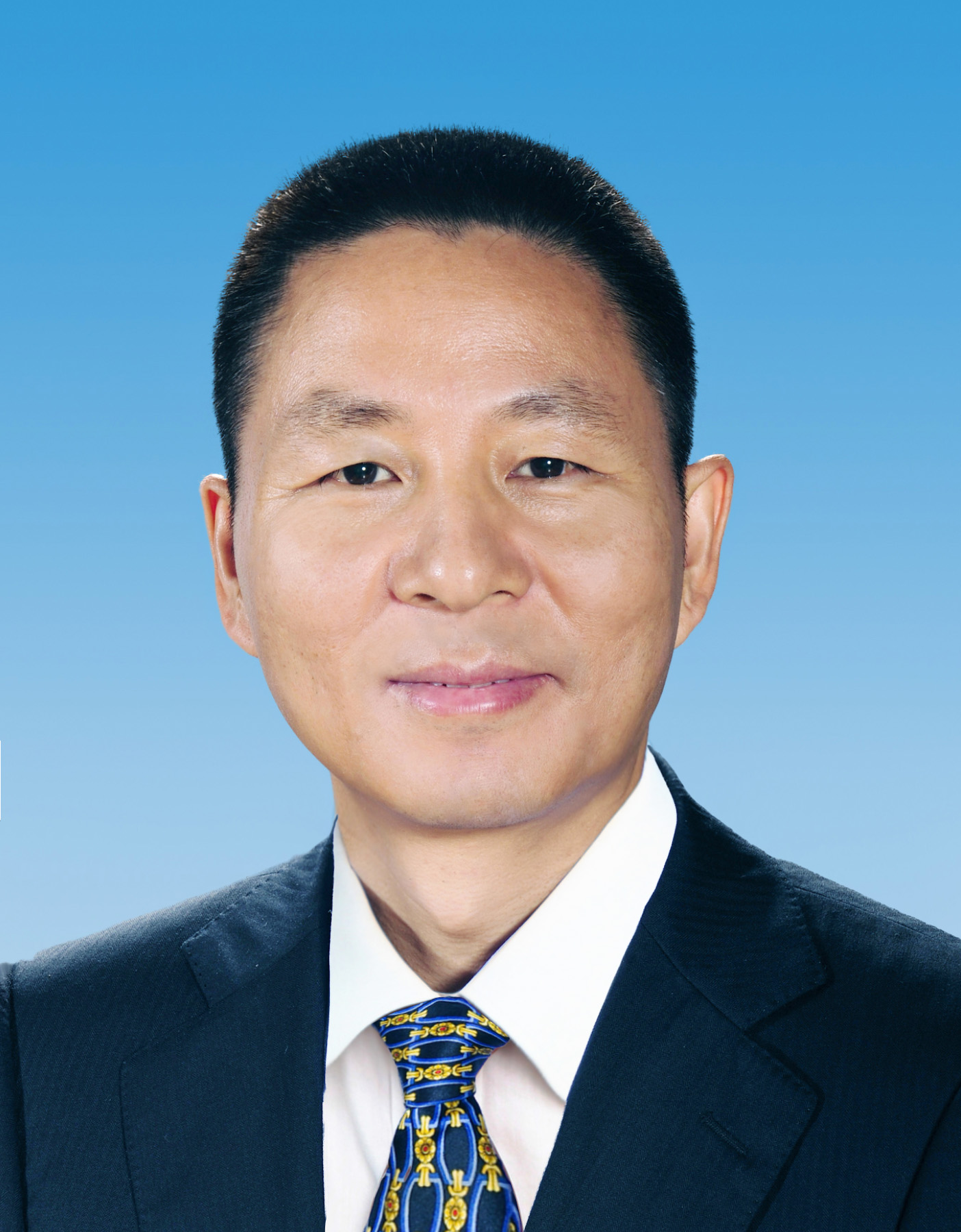















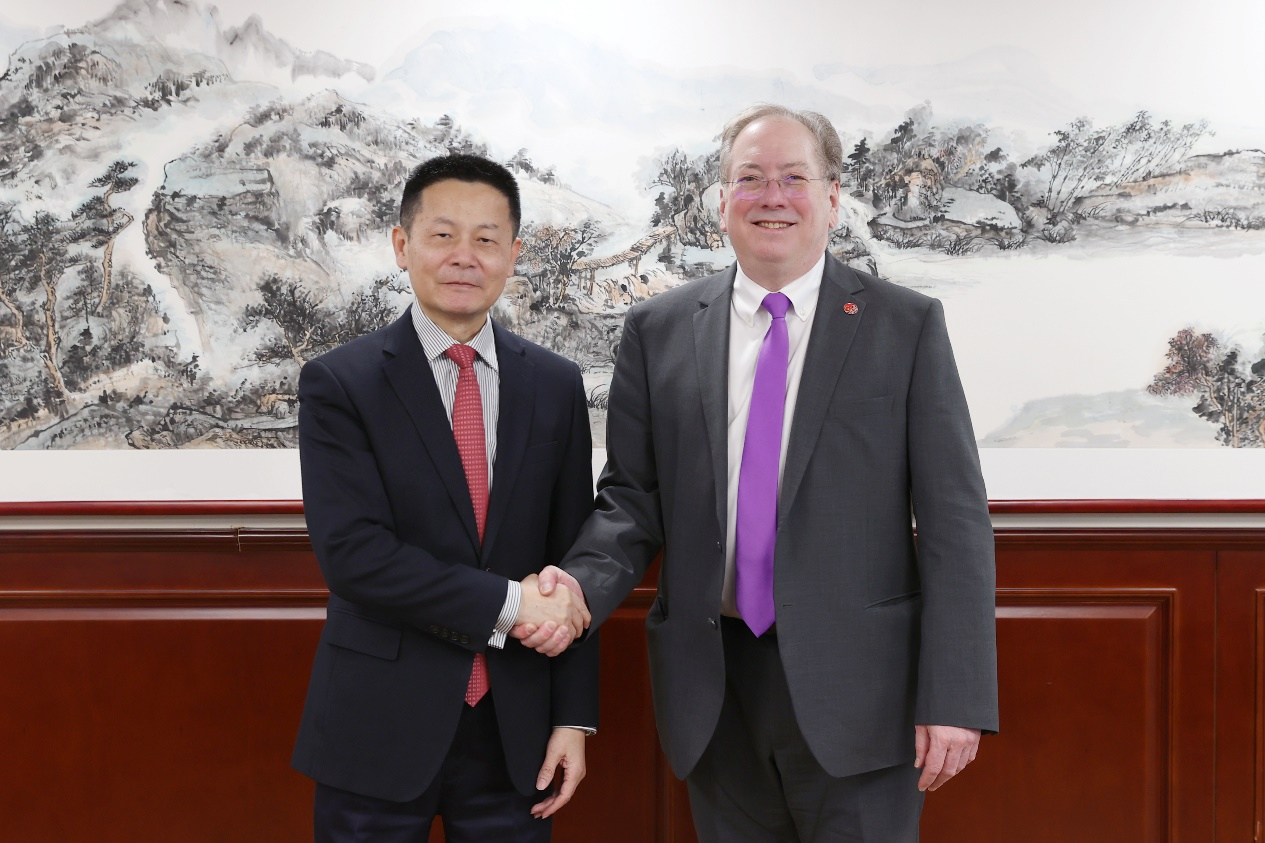
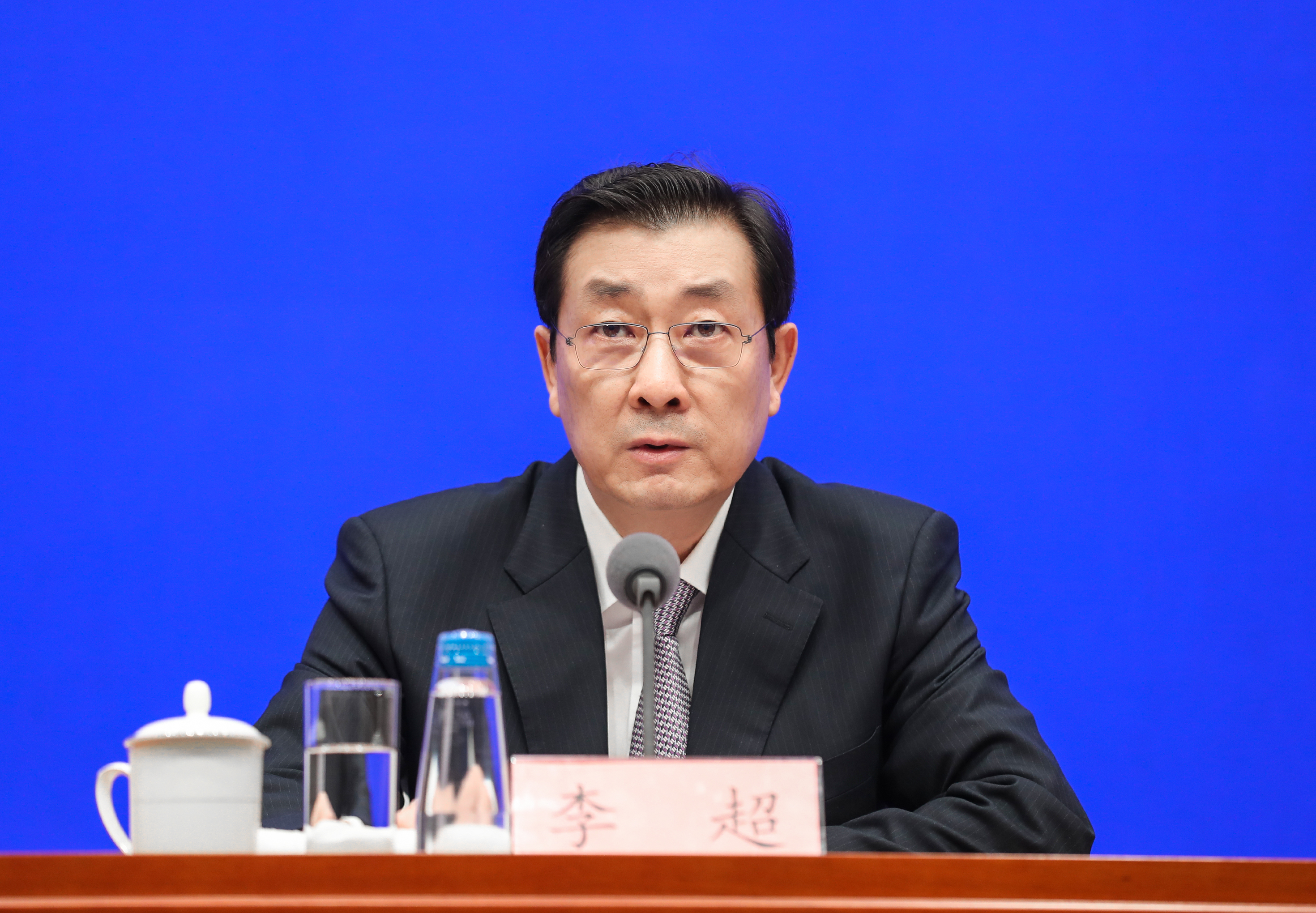
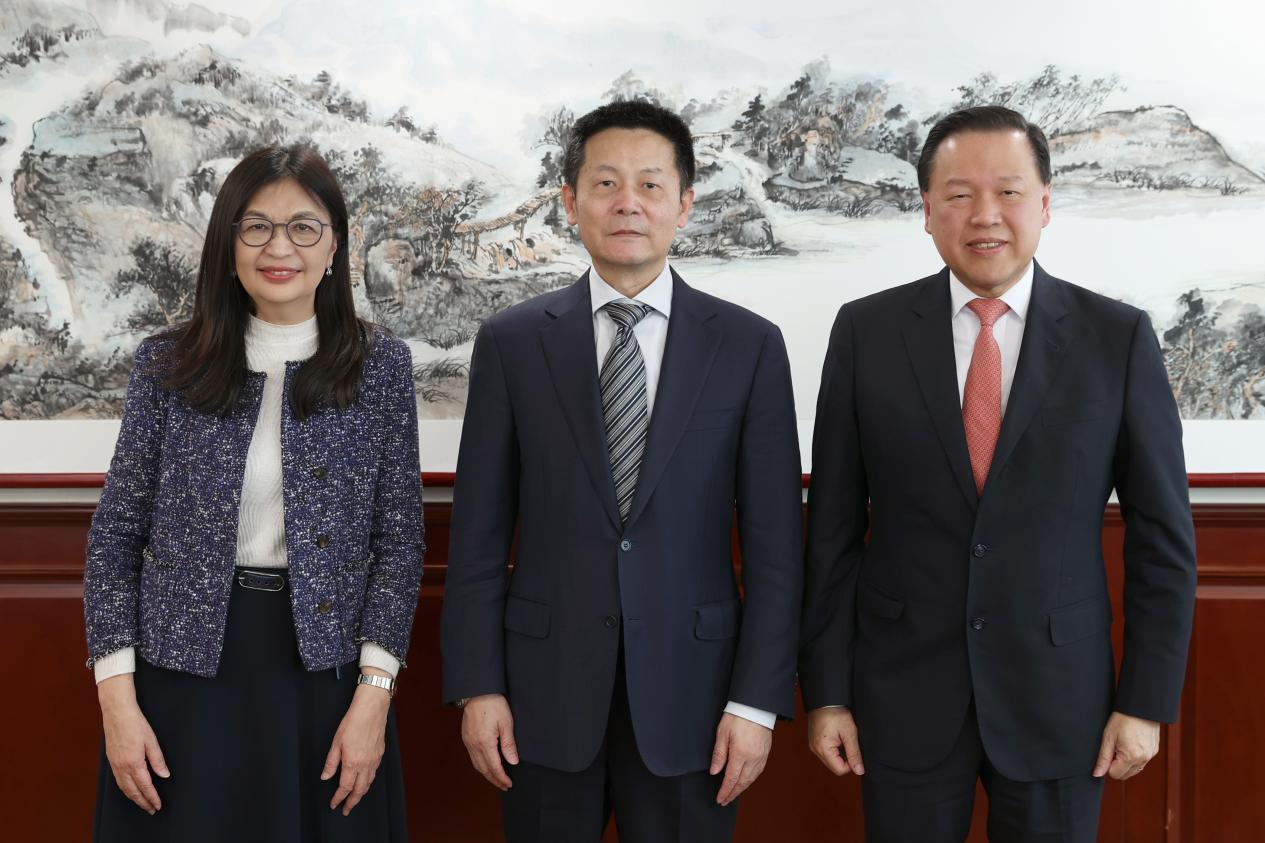
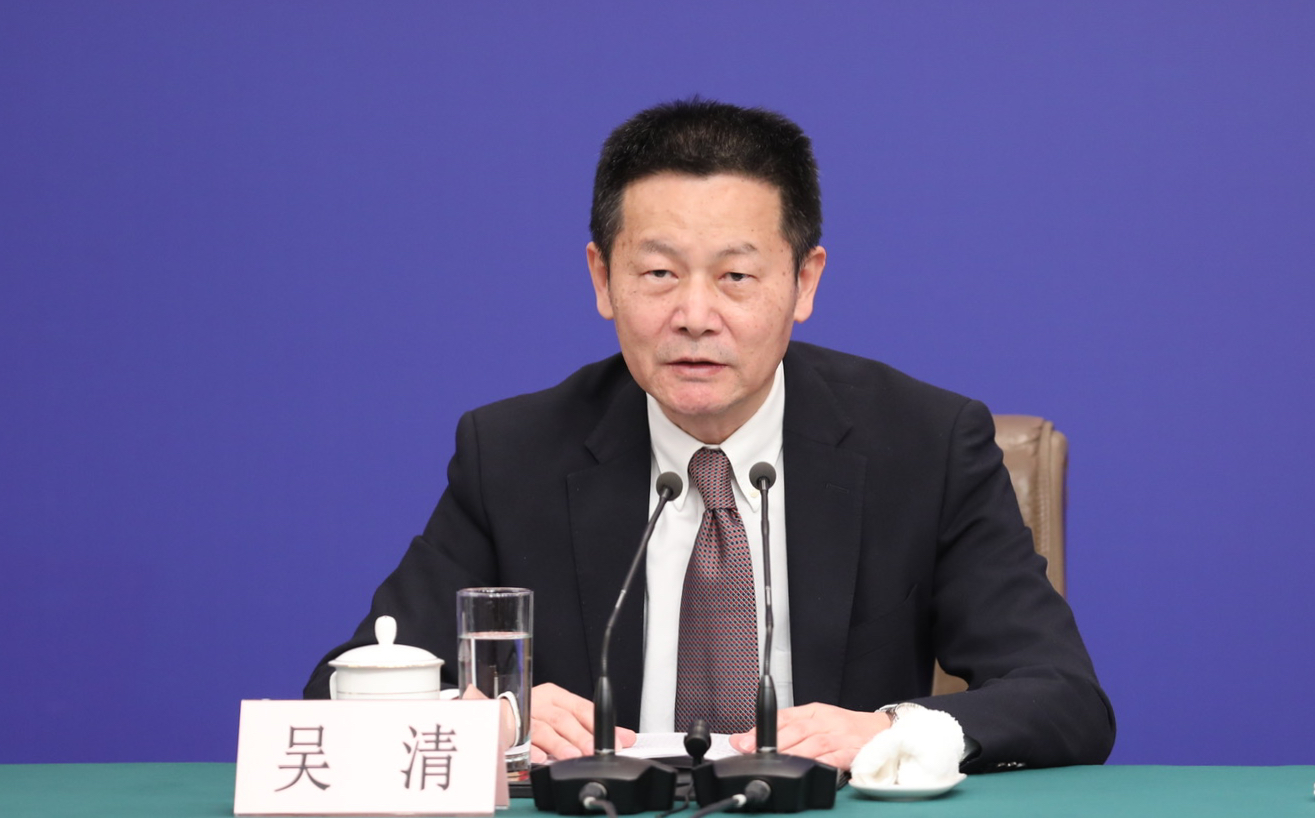
On May 16, Mr. Guo Shuqing, Chairman of the CSRC, delivered a speech at the 37th IOSCO Annual Conference on the Opening-up of China's Capital Market and RMB Convertibility. During his speech, Guo presented a comprehensive analysis on the approaches adopted in opening up China’s capital markets, the assessment of the extent to which the RMB capital accounts are currently convertible, the pros and cons as well as the general outlook of the aforementioned approaches.
Guo stated that,in the past over 30 years, China’s capital markets have embarked on a unique path in opening up. The main features of China’s approach include: making FDI on top of its agenda of opening up; attracting FDI to effectively aid the reconstruction and reform of state-owned enterprises; special regions such as Hong Kong SAR playing the double role of bridge and barrier for capital inflow and outflow; opening securities markets to overseas participants in a gradual and indirect manner, etc. In general, this path of opening up, which has remained in line with the development trend of global economy while taking into account the unique situations in China, has played a positive role in China’s effort in reform, opening up and modernization.
According to Guo, a number of thoughtful arrangements were adopted in furtherance of the opening up, including prioritizing “greenfield investments”, guiding the financial industry to serve the real economy, effectively establishing the “firewall” system, adopting a gradual approach by starting the opening up from foreign-related economic sectors. Benefiting the opening up of China’s capital markets, these arrangements have maintained the sound and steady development of China’s economy and finance in general. However, a number of drawbacks do exist, such as the imbalanced development of capital and financial market systems and the yet-to-be-improved market operation efficiency and the effectiveness of financial regulation. How to combine safety and convenience as well as stability and flexibility has become the major theoretical and practical issue faced by the reform and opening up of China’s capital markets.
As Guo pointed out, over the years, China has made substantial achievements in capital markets and currency convertibility. According to the preliminary assessment of the current practices with regard to China’s capital accounts, 16 sub-items under the capital accounts are fully convertible, 17 are basically convertible and 7 are partially convertible. With no completely inconvertible items, China’s capital accounts enjoy a significantly higher level of openness than that as indicated by the IMF evaluation.
Guo emphasized that there is no absolute and one-size-fits-all standard for capital accounts convertibility. Therefore, countries with different development levels must take their respective path of opening up and particular circumstances into consideration. He pointed out that the concept of “fully free convertibility” does not exist in reality and should be considered in a prudent manner. In any country, capital account convertibility does not translate into total abandonment of regulation and control. Especially when its national economic and financial sectors are faced with massive cross-border capital flows and are suffering bad international balance of payment, temporary regulation and control are warranted. In the post-crisis context, most of the countries have reached consensus on this point. The restructuring of international financial system should follow this fundamental principle and rectify the old concept that regulation or control was to be avoided.
Promoting RMB capital account convertibility, said Guo, is essential in China’s economic development method transformation and industrial structure upgrade. Taking advantage of the various favorable conditions that are available now, RMB capital account convertibility should be driven forward in a proactive yet steady manner in accordance with the guideline of “accurate positioning, balancing pros and cons, controlling risks, focusing on major substantive tasks”. These efforts will facilitate China’s economy to develop in synergy with the world economy on a more sophisticated level. Guo also specified the two points of focus at present: firstly, formally authorizing the RMB conversion with foreign currencies so that relevant transactions shall be conducted openly by sorting out related regulatory legal instruments; secondly, clarify to the international community the differentiated applicability of related principles, specify the unique ties between mainland China and Hong Kong SAR, Macau SAR and Taiwan, carry out assessment of China’s capital accounts item by item, so as to reach new consensus with the international community. The initiative of rendering RMB fully convertible will not only benefit China’s economic and social development but also make considerable contribution to reconstructing the international financial system and improving the global economic order.